Growth factors have become a frequent topic in aesthetic medicine, but the terminology can make a straightforward idea sound unnecessarily complicated. PDGF is one of those terms. It is not a resurfacing device, injectable filler, or peel. It is a signaling protein that can be used topically as a post-procedure enhancement within a professionally designed skin treatment.
At Total Body Aesthetic in Westchester, Los Angeles 90045, we approach PDGF as one part of a treatment plan—not as a shortcut or a promise. This guide explains what platelet-derived growth factor does in everyday language, why Ariessence pure PDGF+ is paired with procedures that create controlled skin renewal, and what makes it different from PRP, PRF, and exosome products.
What Is Platelet-Derived Growth Factor?
Think of your skin as a busy team whose cells need clear instructions. Growth factors are messenger proteins that help cells communicate during normal tissue maintenance and repair. Platelet-derived growth factor is one of these messengers. The name reflects where scientists first identified it, but a topical aesthetic PDGF product does not necessarily come from a patient's platelets.
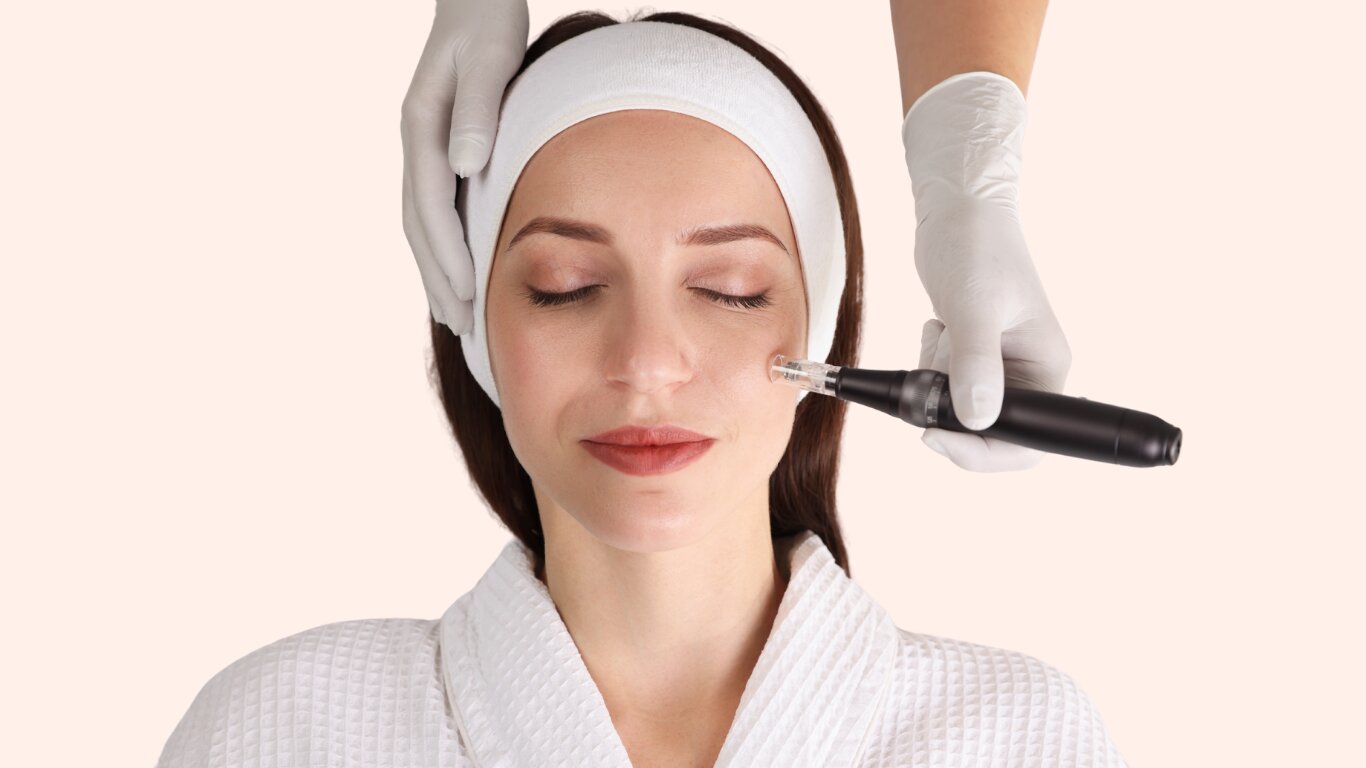
In a post-procedure setting, PDGF is applied to skin after a provider has performed a treatment such as microneedling or resurfacing. The goal is to support the recovery environment while the skin moves through its natural renewal process. Patients often pursue this approach for smoother-looking texture, more even-looking tone, and a healthy appearance over time. It does not replace the underlying procedure, and results vary with the treatment selected, skin condition, aftercare, and individual response.
What Is Ariessence pure PDGF+?
Ariessence describes pure PDGF+ as a sterile, topical, post-procedure product containing recombinant human PDGF-BB and hyaluronic acid. “Recombinant” means the protein is produced through a controlled biotechnology process rather than harvested from a patient's blood. Hyaluronic acid is included to provide hydration and help condition the skin barrier.
Because it arrives as a prepared topical formulation, Ariessence pure PDGF+ does not require a blood draw, centrifuge, or patient-specific preparation. According to Ariessence, controlled manufacturing also provides a consistent amount of its featured PDGF-BB from one application to the next. These are product-specific statements from the manufacturer; your provider should still evaluate whether it fits your skin, procedure, and goals.
Ariessence pure PDGF+ is applied topically by a professional after an aesthetic procedure. It is not the same as injecting filler, drawing blood for PRP or PRF, or applying an unspecified “growth factor” serum at home. Ask your provider for the exact product name, intended use, and aftercare instructions.
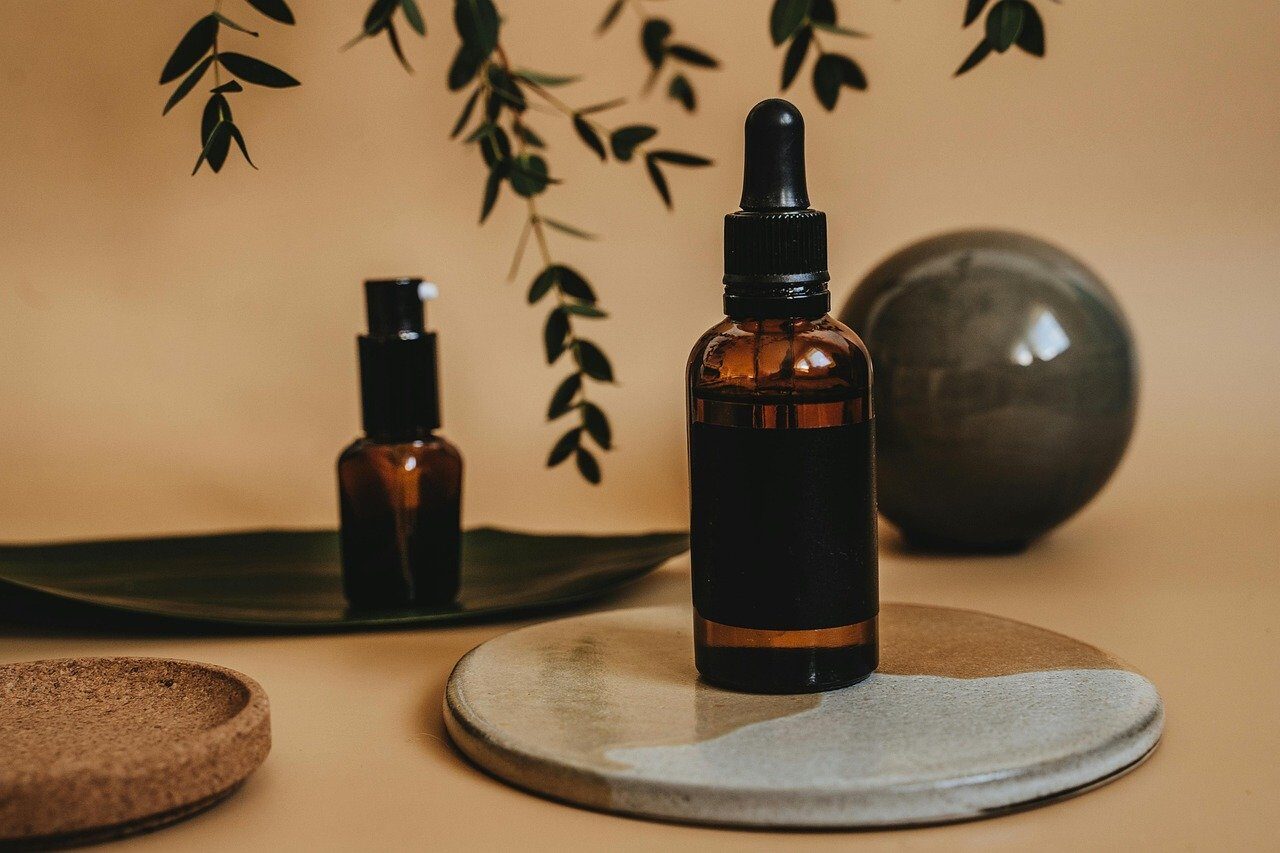
PDGF is a signaling protein; the underlying aesthetic procedure and individualized care plan remain central to the treatment.
Where Topical PDGF Fits: Common Procedure Pairings
Topical PDGF is most often discussed alongside procedures that deliberately stimulate a renewal response. The exact timing and technique should come from the treating professional rather than a home protocol.
Microneedling
Microneedling creates controlled microchannels with fine needles. A provider may apply Ariessence pure PDGF+ immediately afterward as a topical enhancement. This pairing is commonly selected by patients focused on healthier-looking texture, tone, and overall skin quality.
RF Microneedling
RF microneedling combines needle-based treatment with radiofrequency energy delivered at planned depths. Because treatment intensity and recovery vary by device and settings, the provider decides whether and how PDGF belongs in the post-procedure plan. Patients comparing technologies can also read our RF microneedling guide.
Laser Resurfacing
Fractional laser treatments create targeted zones of controlled renewal. Topical PDGF may be considered after certain fractional laser resurfacing sessions to complement professional aftercare. Laser type, depth, skin tone, recent sun exposure, and health history all affect candidacy.
Chemical Peels
Certain professionally administered peels can be paired with topical post-procedure support. The peel's formulation and depth matter, so this is not a universal add-on. Patients interested in pigment and texture concerns may explore our VI Peel service and discuss whether PDGF is appropriate during consultation.
| Procedure | Primary Role | Potential Role of Topical PDGF |
|---|---|---|
| Microneedling | Creates controlled microchannels to prompt renewal | Post-procedure topical support for the recovery environment |
| RF microneedling | Combines controlled needling with radiofrequency energy | Provider-directed enhancement after treatment |
| Laser resurfacing | Uses targeted light energy for controlled resurfacing | May complement aftercare for an appropriate laser protocol |
| Chemical peel | Uses a selected solution to exfoliate targeted skin layers | May support post-peel care when compatible with the peel |
PDGF vs. PRP, PRF, and Exosomes
These categories often appear in the same conversation because they relate to biological signaling and skin renewal, but they are not interchangeable. Their source, preparation, composition, and degree of standardization differ.
| Option | Source | Preparation | Consistency & Practical Difference |
|---|---|---|---|
| Ariessence pure PDGF+ | Recombinant PDGF-BB; not drawn from the patient | Ready-to-use topical formulation with hyaluronic acid | Manufacturer-standardized product; no blood draw |
| PRP | Patient's own blood | Blood draw followed by centrifuge processing to concentrate platelets in plasma | Composition can vary with the patient and preparation method |
| PRF | Patient's own blood | Blood draw and specific centrifuge protocol designed to create a fibrin-rich preparation | Autologous mixture that varies with biology and technique |
| Exosome products | Depends on the manufacturer and cell source | Manufactured extracellular-vesicle preparation | May contain multiple signals; sourcing and composition require product-specific review |
PRP and PRF have an advantage some patients value: they are autologous, meaning they come from the patient's own blood. Their composition is naturally influenced by individual biology and office processing. Ariessence instead emphasizes a specific recombinant protein in a prepared topical formula, making it convenient for patients who prefer not to have blood drawn. Neither format is automatically “best”; the appropriate choice depends on the indication, treatment plan, provider protocol, and patient preference. For more context on autologous options, see our guide to PRF facial rejuvenation.
What Benefits Are Realistic?
The most useful way to set expectations is to separate support from transformation. Topical PDGF is intended to enhance post-procedure care, while microneedling, RF microneedling, laser, or peel does the primary procedural work. Depending on the pairing and individual response, patients may notice:
- Support for the skin's normal post-procedure recovery process
- A healthier-looking, more refreshed appearance as skin settles
- Improvement in the look of uneven tone or rough texture over time
- Hydration support from the hyaluronic acid in the Ariessence formulation
- A streamlined topical option without blood collection or processing
PDGF should not be presented as a cure, a guaranteed way to eliminate downtime, or a substitute for medical treatment. Redness, sensitivity, swelling, flaking, or other temporary effects may come from the procedure itself. Your provider will explain what is typical for the treatment being performed, how to care for your skin, and when to call with a concern.
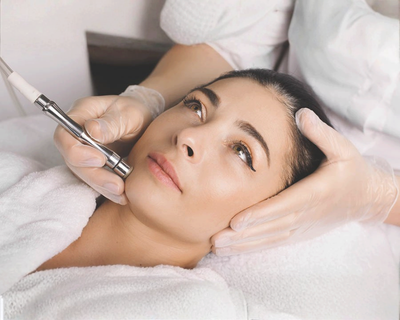
Ariessence pure PDGF+ is used as a professional topical post-procedure enhancement.
Consultation, Candidacy, and What to Expect
A PDGF-enhanced treatment begins with choosing the right procedure—not simply choosing a serum. During consultation, a provider should review your skin goals, current products and medications, history of cold sores or abnormal scarring, recent procedures, allergies, sun exposure, pregnancy or nursing status, and relevant medical conditions.
Candidacy varies. Some patients may be better served by postponing treatment, changing procedure intensity, or selecting another option. Once a plan is established, your provider performs the procedure and applies the topical product according to protocol. You will receive aftercare instructions that may include gentle cleansing, moisturizer, sun protection, and a temporary pause on active skincare ingredients. Follow the instructions for your specific treatment rather than generalized advice online.
Our Westchester office is convenient to LAX, Playa Vista, Marina del Rey, El Segundo, Culver City, and the South Bay. A consultation at Total Body Aesthetic allows us to match the procedure and aftercare to your skin rather than forcing every concern into the same treatment.
Frequently Asked Questions
What is PDGF in aesthetics?
PDGF stands for platelet-derived growth factor, a signaling protein involved in the body's normal communication around tissue renewal. In aesthetics, a topical PDGF product may be applied after a professional procedure to support the skin's recovery environment and healthier-looking tone and texture.
Does an Ariessence pure PDGF+ treatment require a blood draw?
No. Ariessence pure PDGF+ is a prepared topical product, so it does not require drawing or processing the patient's blood. According to Ariessence, its recombinant PDGF-BB is formulated with hyaluronic acid for post-procedure application.
What procedures can be paired with topical PDGF?
Providers commonly consider topical PDGF after microneedling, RF microneedling, laser resurfacing, and certain chemical peels. The appropriate pairing and application protocol depend on the procedure, skin condition, and provider assessment.
How is PDGF different from PRP or PRF?
PRP and PRF are autologous preparations made from a patient's own blood and can contain a variable mixture of platelets and signaling proteins. Ariessence pure PDGF+ is a ready-to-use topical formulation made with recombinant PDGF-BB and hyaluronic acid, offering standardized preparation without a blood draw.
Is topical PDGF the same as exosomes?
No. PDGF is a specific signaling protein, while exosome products are extracellular vesicle preparations that may carry multiple biological signals. Their sourcing, composition, manufacturing, and evidence are different, so patients should ask exactly what product is being recommended.
Who is a candidate for PDGF skin rejuvenation?
Candidacy depends on the procedure being performed, treatment goals, skin condition, health history, and the provider's protocol. An in-person consultation is needed to determine whether a PDGF-enhanced treatment is appropriate. Individual experiences and outcomes vary.
Explore a Personalized PDGF Treatment Plan
Visit Total Body Aesthetic at 8610 S Sepulveda Blvd #100, Los Angeles, CA 90045. Call (310) 670-1920 to schedule a consultation and learn whether topical PDGF belongs in your post-procedure plan. Candidacy and outcomes vary.
Request a Consultation