SKIN & LASERS
If you've tried creams, peels, and even lasers on your melasma only to watch it come back darker — the treatment wasn't wrong because you're difficult. It was the wrong tool for this particular condition.
By Total Body Aesthetic |
Melasma is one of the most frustrating conditions we treat at Total Body Aesthetic in Westchester, Los Angeles — not because it's untreatable, but because by the time patients reach us, they've usually been burned. Sometimes literally. Prescription creams that thinned their skin. Chemical peels that helped for a month. And most commonly: an aggressive laser that made everything darker.
That last one isn't bad luck. It's biology — and understanding it is the key to finally treating melasma correctly.
Unlike sun spots, melasma isn't just surface pigment. It's a chronic condition driven by hormones, UV exposure, and — critically — abnormal blood vessels and a damaged basement membrane in the skin. Those vessels feed the overactive pigment cells above them. Heat and inflammation stimulate the whole system, which is why melasma flares in summer, during pregnancy, and after aggressive treatments.
Traditional lasers and IPL work by delivering broad heat to break up pigment. On sun damage, that's exactly right — we use our Lumenis IPL and ResurFX platform for those every day. But on melasma, that same heat can provoke the pigment cells into producing more melanin. You clear the spot, and six weeks later it returns with reinforcements.
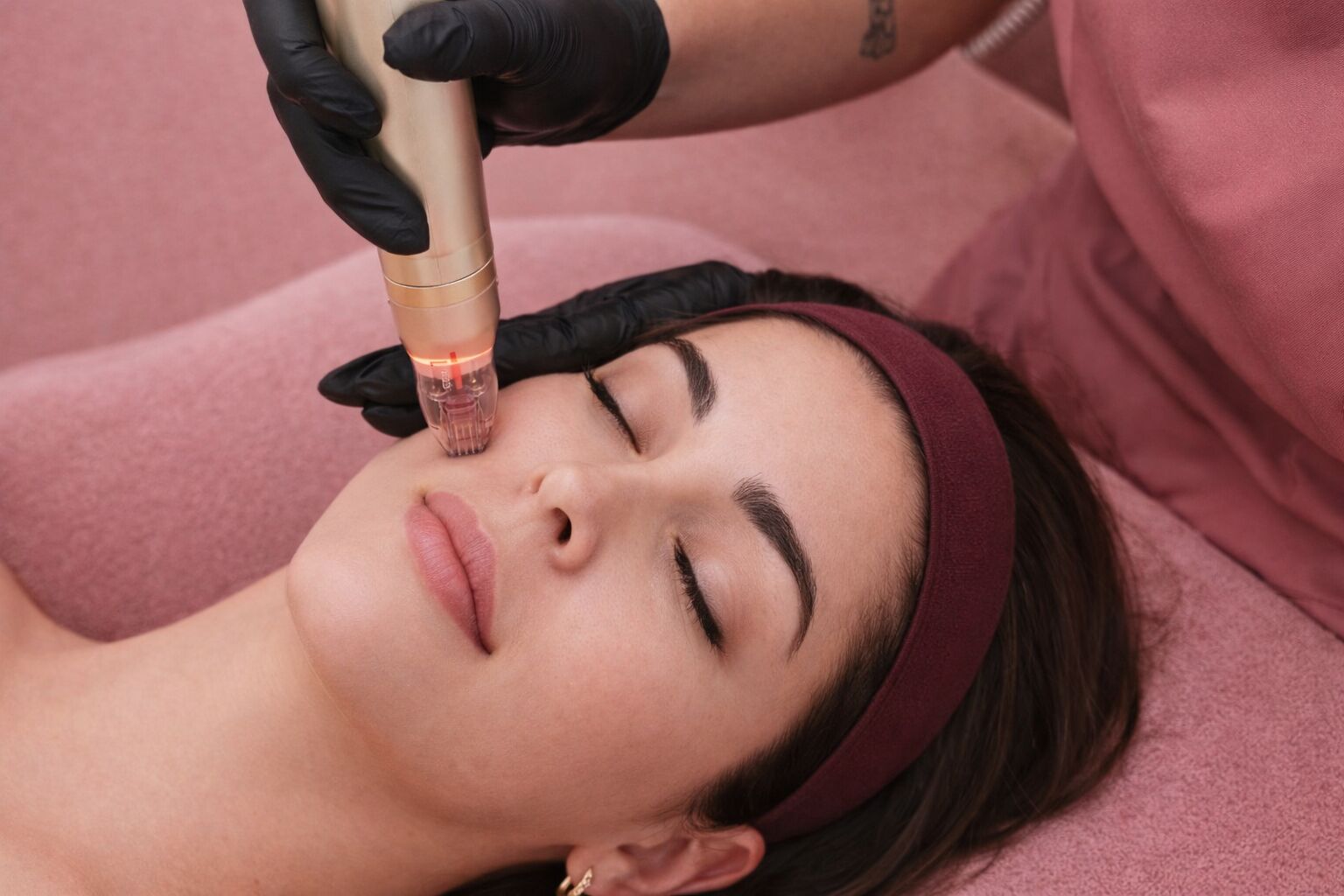
Sylfirm X was engineered around exactly this problem. It delivers pulsed-wave radiofrequency through ultra-fine needles, which does three things traditional devices can't:
It's the same device behind the skin-tightening results we covered in our Sylfirm X skin tightening guide — the melasma protocol simply uses its pulsed-wave mode, which is what earned it FDA clearance as the first RF microneedling device of its kind.
| Approach | Best For | Melasma Risk |
|---|---|---|
| Topicals (hydroquinone, tretinoin) | Mild cases, maintenance | Low — but slow, and results fade off-treatment |
| Chemical peels (e.g. VI Peel) | Surface pigment, texture | Moderate — helpful adjunct when chosen carefully |
| IPL / traditional lasers | Sun spots, redness — not melasma | High — heat can trigger rebound darkening |
| Sylfirm X pulsed-wave RF | Melasma, stubborn pigment, all skin tones | Low — designed specifically for this condition |
Sylfirm X Full Body Head to Toe — face, neck, chest, above knees, hands, and stomach — is on our current monthly specials at $1,550 per treatment (regularly $3,000). See it on the August Specials page.
Because melasma is chronic, we're honest about this at every consultation: no device "cures" it. The goal is to clear it, calm the system that produces it, and give you a realistic maintenance plan — which is exactly what a properly sequenced Sylfirm X protocol does.
Why do lasers often make melasma worse?
Melasma is heat-sensitive and partly vascular. Broad laser heat can stimulate pigment cells into producing more melanin, causing rebound darkening — especially in medium and darker skin tones.
How does Sylfirm X treat it differently?
Pulsed-wave RF delivered through ultra-fine needles selectively targets the abnormal vessels and damaged basement membrane that sustain melasma, with tightly controlled heat that avoids triggering the rebound response.
Is it safe for darker skin tones?
Yes — Sylfirm X doesn't rely on light absorption by pigment, so it treats all Fitzpatrick skin types safely, including tones where IPL and many lasers are risky.
How many sessions will I need?
Most melasma protocols run 3–5 sessions about four weeks apart, with improvement typically visible from the second session. SPF and periodic maintenance protect the result.
Does it hurt? What's the downtime?
With numbing cream, most patients feel light pressure and warmth. Expect mild redness for a day or two — most people are back to normal activities immediately.
Total Body Aesthetic is located at 8610 S Sepulveda Blvd #100, Westchester — serving Playa Vista, Marina del Rey, El Segundo, Culver City, and the South Bay. Schedule a complimentary skin consultation today.
Book a Consultation