
Perhaps a laugh or a workout causes a small leak. Perhaps the problem is a sudden urgent trip to the bathroom. Both experiences can be called “incontinence,” but the trigger matters. Before booking pelvic-floor stimulation at our Westchester clinic, write down what actually happens. The distinction helps a clinician assess whether strengthening is part of a sensible plan or whether another cause needs attention first.
The National Institute of Diabetes and Digestive and Kidney Diseases (NIDDK) describes stress leakage with pressure on the bladder, such as coughing, laughing, or exercise. Urge incontinence occurs when leakage follows a sudden compelling urge to urinate. People may experience a mixed pattern. These descriptions are starting points, not self-diagnoses; frequency, medications, pregnancy or postpartum history, and other health issues all matter.
| Pattern | What to record | Question to bring |
|---|---|---|
| Leak with cough, jump, or lift | Activity, amount, and how often it happens | Would a pelvic-floor assessment clarify a stress component? |
| Sudden urge and difficulty reaching a toilet | Urge timing, frequency, and possible triggers | Should we evaluate bladder symptoms or other causes first? |
| Both patterns, or uncertain symptoms | A brief diary of fluids, voids, and episodes | Who can assess a mixed pattern and coordinate care? |
What Emsella does—and does not do
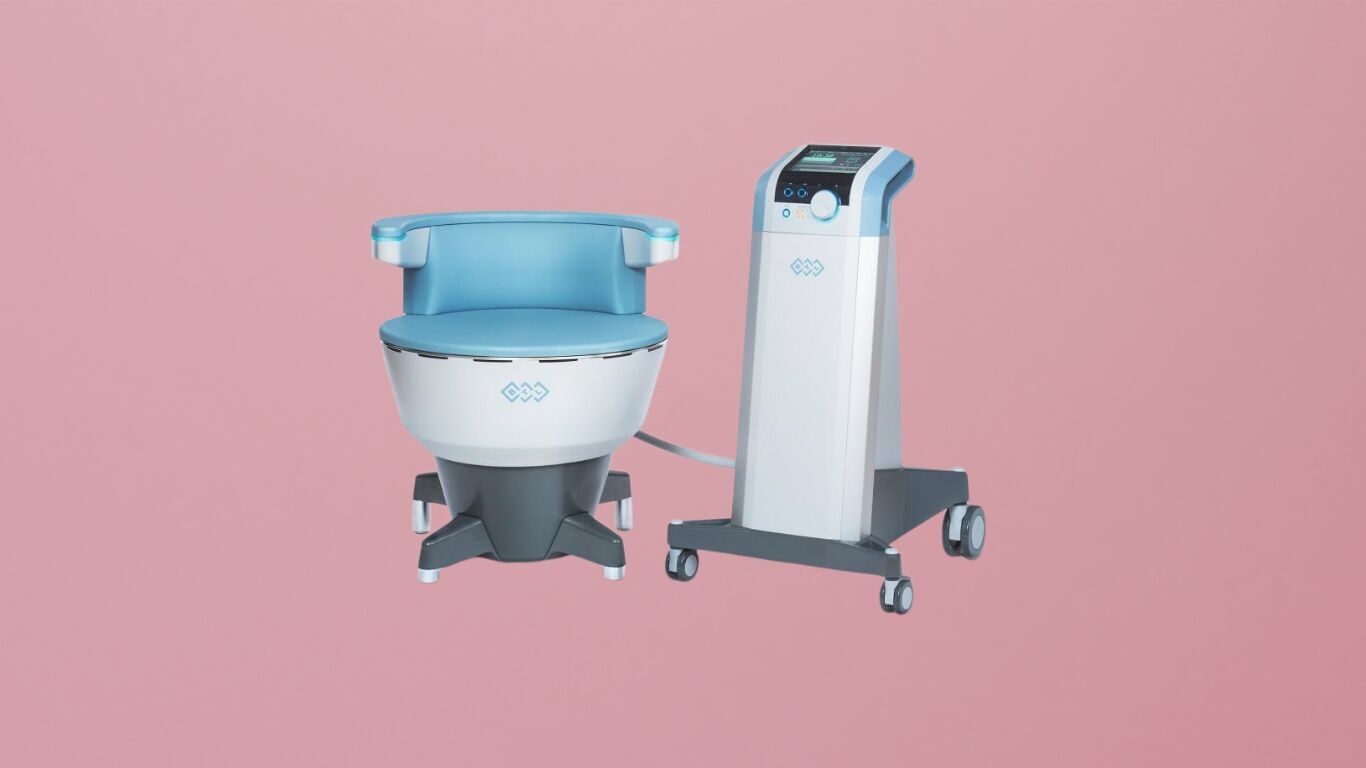
Emsella is a noninvasive chair-based service that uses electromagnetic stimulation of pelvic-floor muscles while a patient remains clothed. That mechanism is different from diagnosing the reason for leakage. An appointment should not be framed as proof that every bladder symptom comes from weak muscles, nor as a substitute for medical evaluation. Response varies, and someone with urgency, pain, or multiple contributing factors may need a broader approach.
A clinician may suggest a voiding diary, medical history review, examination, or other tests as appropriate. NIDDK's diagnosis guide explains why a history and testing can distinguish different problems. Pelvic-floor physical therapy can also assess muscle coordination, not just strength, and teach individualized exercises and habits. Ask how stimulation would relate to that care rather than assuming one replaces the other.
Five questions worth asking before a session
- What is my likely symptom pattern? Describe the trigger, severity, and how long it has been happening.
- Is something else contributing? Discuss medication changes, constipation, bladder irritation, infection symptoms, pregnancy or childbirth history, and prior pelvic surgery.
- Do I need a medical or pelvic-floor referral? Ask who will assess persistent or complex symptoms and what treatment options exist beyond a device.
- Are there device precautions for me? Tell the team about electronic or metallic implants, pregnancy status, and recent operations before eligibility is determined.
- How will we measure change? Agree on a meaningful baseline, such as symptom diary entries and activities you avoid, rather than a vague promise of being “fixed.”
Blood in urine, fever, painful urination, new severe pelvic pain, or a sudden change in bladder function deserves prompt medical assessment. A device consultation should not delay investigation of a possible infection or another medical condition.
How to make a short symptom diary useful
For a few typical days, note drinks, approximate bathroom times, any leakage, whether a physical effort or urge came first, and what the episode interrupted. You do not need to restrict fluids or change medicines to make a diary look better. If you have tried self-directed Kegels, describe what happened; more effort is not always the same as better coordination. Bring the diary to a clinician who can decide whether testing, behavioral strategies, physical therapy, medication discussion, or stimulation is appropriate.
Our earlier article on Emsella candidacy introduces the service; this guide focuses specifically on the symptom questions that should come before choosing it. Total Body Aesthetic is in Los Angeles 90045, not a substitute for a urology or primary-care evaluation when medical concerns require one. We welcome consultations from Westchester and nearby Playa Vista, Marina del Rey, El Segundo, Culver City, and the South Bay.
It is also worth separating treatment names that sound similar. Emsculpt NEO is a body-contouring service directed at selected body muscle and contour goals; it is not the pelvic-floor chair described here and should not be booked as a substitute for bladder evaluation. If a consultation starts with a device recommendation before anyone asks what triggers the leak, request a symptom-led discussion. A person with a mixed pattern might need more than one kind of support, while another person may need medical care before elective stimulation is even considered. There is no obligation to purchase a course of sessions to ask these questions.
Frequently asked questions
Is leaking when I cough the same as sudden urgency?
No. Leakage with coughing or lifting suggests a stress pattern; a strong sudden need to urinate with leakage suggests an urge pattern. Some people have both, so a clinician should assess symptoms rather than rely on a label alone.
Does Emsella diagnose the cause of leakage?
No. Emsella is pelvic-floor muscle stimulation, not a diagnostic test. An appropriate medical evaluation can check for infection, medication effects, and other causes before a treatment plan is chosen.
Should I still consider pelvic-floor physical therapy?
Yes. A pelvic-floor physical therapist can assess coordination and teach individualized strategies. Ask whether therapy, behavioral changes, stimulation, or a combination fits your symptoms and medical history.
What should I disclose before an Emsella session?
Share pregnancy status, implants or electronic medical devices, recent surgery, pain, and relevant medical conditions. The treating team should review device-specific precautions before scheduling.
Further reading: NIDDK: symptoms and causes and diagnosis. This article is informational, not medical advice or a diagnosis.
Start with your questions
Total Body Aesthetic · 8610 S Sepulveda Blvd #100, Los Angeles, CA 90045 (Westchester) · (310) 670-1920
Request a consultation