
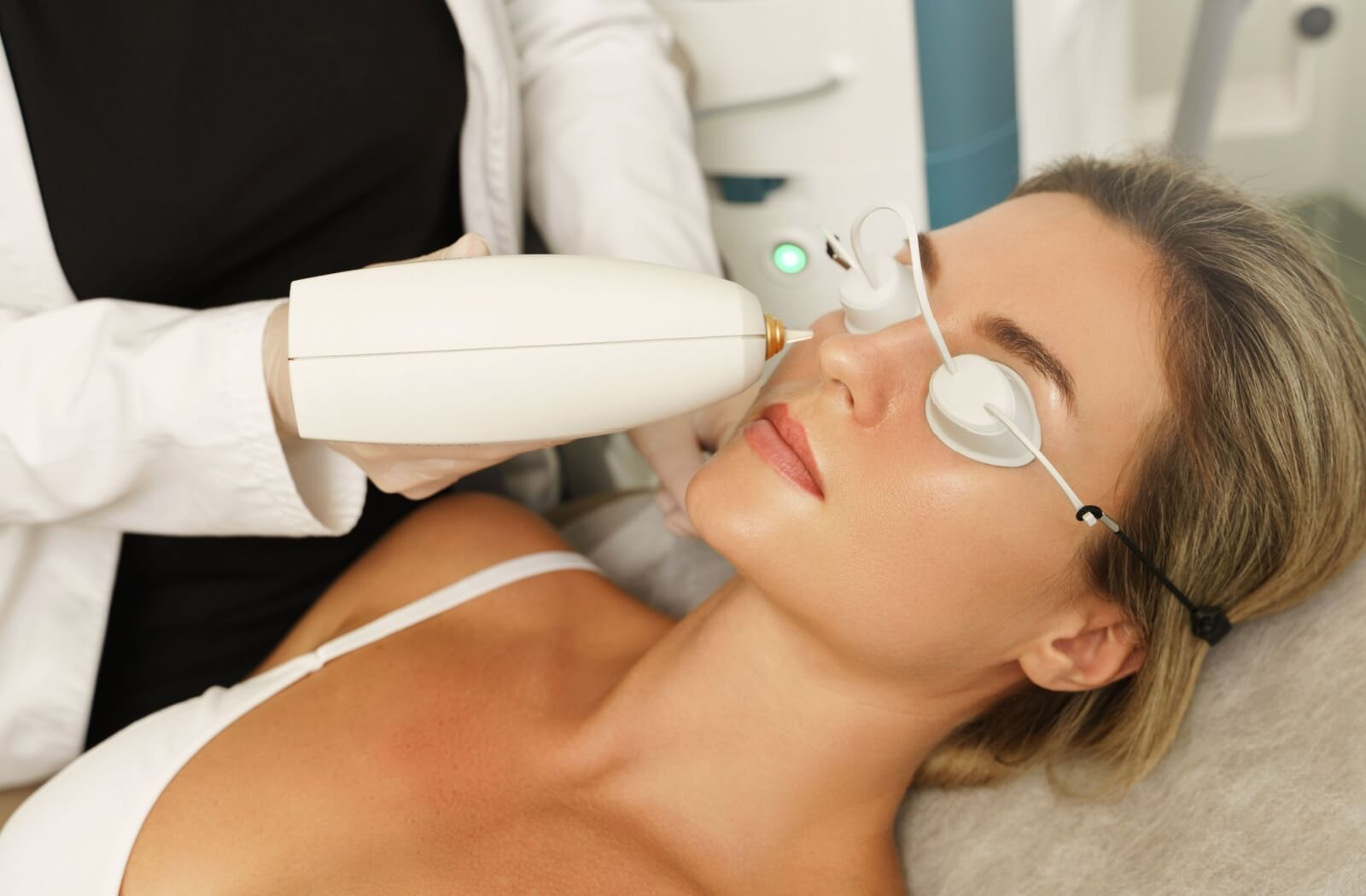
A new patch on a cheek can look like an ordinary sunspot in the bathroom mirror. It may instead be post-acne discoloration, melasma or something that should be assessed medically. Before comparing appointments for IPL and a peel, have the area examined. Cosmetic treatment is not a substitute for evaluating a lesion that changes, bleeds, looks different from your other spots or otherwise worries you.
Once a clinician has assessed the pigment, the choice becomes more useful: are you treating separate UV-related brown marks, widespread uneven tone, texture as well as pigment, or an easily irritated skin barrier? At Total Body Aesthetic in Los Angeles 90045, consultations can discuss our Lumenis IPL service and VI Peel in that context—not as interchangeable “spot erasers.”
How the approaches differ
Intense pulsed light, or IPL, delivers filtered flashes of light absorbed by certain pigment and vascular targets. It is not the same thing as an ablative laser or a chemical exfoliant. A peel applies an acid-based solution to produce a controlled degree of exfoliation; its ingredients and depth determine the plan and recovery. Neither approach can promise a particular result, and some pigmentation patterns are poor candidates for either.
For discrete sun-related discoloration in suitable skin, IPL may be part of a clinician's plan. A peel may be considered when the goal includes surface texture and more diffuse uneven tone. Neither should be chosen from a menu solely because a friend's spots improved. Ask what kind of mark you have and why the proposed modality fits it.
| Decision point | IPL discussion | Peel discussion |
|---|---|---|
| Primary target | Selected pigment and redness targets, depending on device settings | Surface exfoliation and tone, depending on formula and depth |
| Skin history | Skin tone, recent tanning and pigment reactions matter | Barrier health, peel depth and history of dark marks matter |
| Aftercare | Temporary darkening or sensitivity may occur; protect from sun | Flaking or peeling may occur; avoid picking and follow instructions |
| First question | Is this pigment appropriate for this light treatment? | What peel depth fits my concern and recovery window? |
Three screening topics that can change the recommendation
First: the diagnosis. Melasma, isolated sunspots and post-inflammatory pigmentation do not behave alike. Heat or irritation can aggravate certain pigment patterns. If there is any doubt about a concerning lesion, ask whether dermatologic evaluation should happen before cosmetic treatment. Your photograph of how the spot looked months ago can help explain its history, but cannot replace an examination.
Second: your skin's response to injury. Mention prior dark marks after acne, waxing or treatments; scarring; recent procedures; current irritation; and any history of cold sores if treating around the mouth. Skin tone and history of post-inflammatory hyperpigmentation can affect the risk conversation. A clinician should consider the settings or peel choice rather than assuming any one method is universally gentler. The American Academy of Dermatology's chemical-peel guidance emphasizes consultation and preparation for safe treatment.
Third: actual sun exposure. Daily outdoor time, beach weekends near Playa Vista or Marina del Rey, and an upcoming trip can affect scheduling and aftercare. Tell the clinician about recent sun exposure, tanning products and your ability to follow a sunscreen routine. Broad-spectrum sunscreen and shade remain important even if pigment improves; the AAD sunscreen FAQ offers a useful starting point.
Your skincare and medication list, dates of recent sun exposure or procedures, history of unusual pigment changes, and a realistic window for recovery. Ask what to stop or continue before treatment only after your clinician reviews your specific products.
What if neither option fits right now?
There is no obligation to have a procedure on the day you ask questions. A suspicious spot needs medical evaluation. An inflamed skin barrier may need time to settle. Melasma may require a different strategy focused on protection and long-term management rather than a quick light session. If texture, scarring or another concern dominates, the discussion may shift to a different service or referral. Our IPL and ResurFX page explains the available technology, while our earlier VI Peel preparation guide gives more background on that option.
Ask for a clear answer about expected recovery, possible uneven darkening or lightening, aftercare, and how success will be evaluated. A careful plan may involve sun protection first and treatment later. That is a decision, not a missed opportunity.
Make a realistic recovery plan
Ask what your skin may look and feel like during the first days after the proposed treatment. Temporary redness, sensitivity, flaking or changes in the appearance of treated pigment may affect your plans differently from a medical risk. If you have an event, a beach trip or an outdoor job coming up, say so before booking. Even a treatment with limited time away from work can require careful sun avoidance and product changes.
Also ask whether the proposed plan calls for one assessment after healing or a series of treatments, and how the clinician would respond if you developed unwanted discoloration. Do not pick at flaking skin or improvise stronger exfoliants while recovering. Follow the individualized instructions you receive. Photographs taken in similar lighting can help you and the clinician discuss change over time, but they should not replace an examination of a new or changing lesion.
Bring up any habit that makes sun protection difficult, including frequent driving or outdoor exercise. Your clinician can help you decide whether now is a practical time to start. Waiting until you can follow aftercare is often preferable to scheduling treatment right before an unavoidable stretch of sun exposure.
Frequently asked questions
Can IPL treat every brown spot?
No. Pigmented lesions have different causes, and a changing or suspicious spot needs medical evaluation before cosmetic treatment. A clinician should assess the pattern and your skin before recommending IPL.
Is a chemical peel always safer than IPL for darker skin tones?
No treatment is automatically safe for every skin tone. Peel depth, ingredients, history of discoloration and aftercare matter; light devices also require careful selection. Discuss individual pigment risks with a qualified clinician.
What if my patches are melasma rather than sunspots?
Melasma often behaves differently from isolated sunspots and may worsen with irritation or heat. Ask for an assessment of the pigment pattern and a sun-protection plan before choosing a procedure.
Do I need sunscreen after either treatment?
Yes. Ongoing sun protection helps prevent additional UV-related discoloration and is important while treated skin heals. Follow your clinician's specific aftercare directions.
Discuss your pigment pattern first
Visit Total Body Aesthetic at 8610 S Sepulveda Blvd #100, Los Angeles, CA 90045 in Westchester. We serve neighbors from Playa Vista, Marina del Rey, El Segundo and Culver City. Call (310) 670-1920.
Request a consultationFor informational purposes only; not a diagnosis or medical advice. Have new or changing lesions evaluated by an appropriate medical professional.