
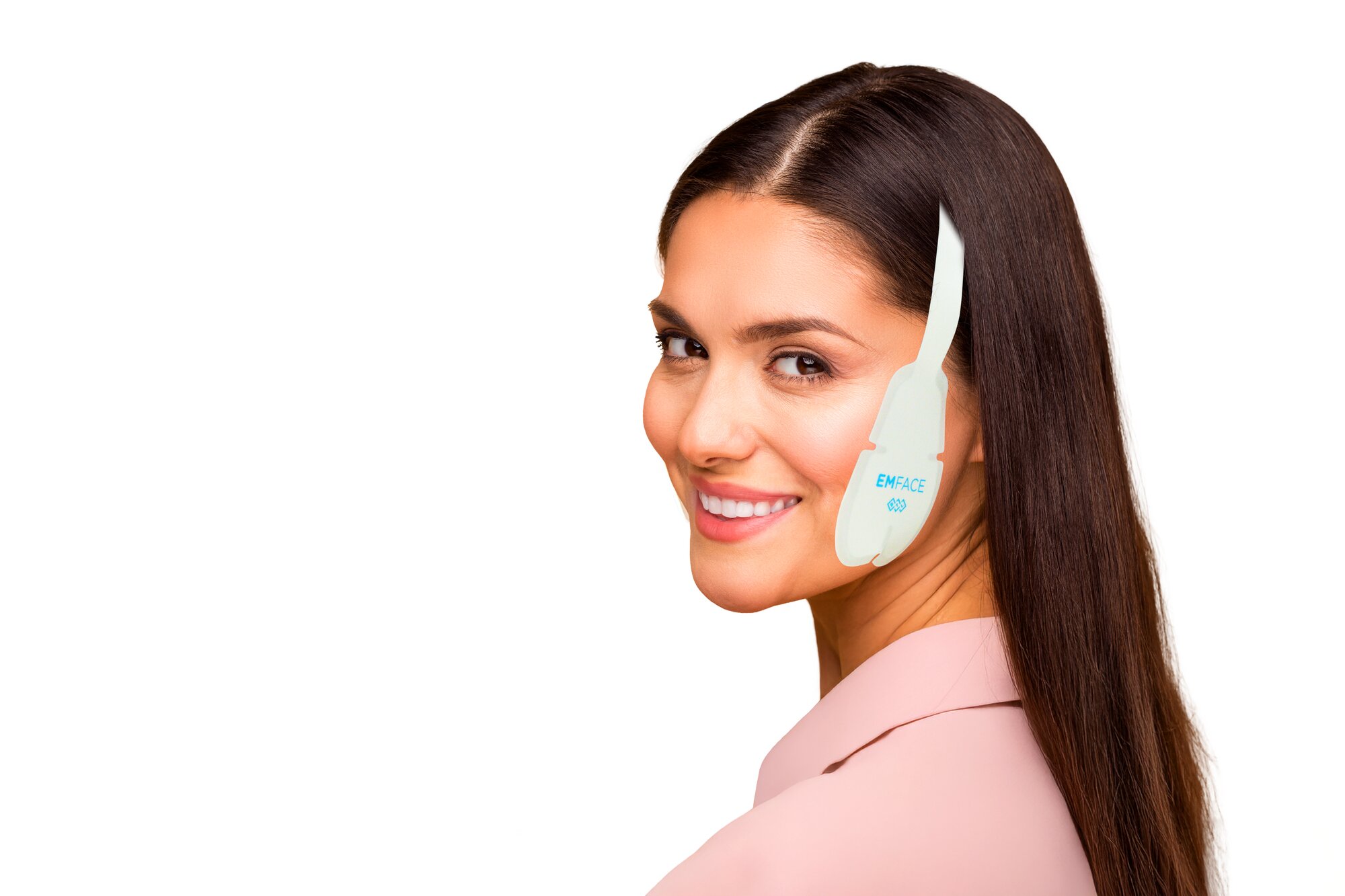
You wake with a tight jaw and notice yourself clenching at a red light. It is tempting to label every symptom “TMJ” and book a device treatment. But TMJ refers to the jaw joint; temporomandibular disorders, tooth problems and muscle pain can overlap. An aesthetic consultation should not delay care for a chipped tooth, a dental infection or a jaw that will not function normally.
Total Body Aesthetic has an EMFACE TMJ service in Westchester, Los Angeles. Before deciding whether to ask about it, sort your concern into the right evaluation pathway. The National Institute of Dental and Craniofacial Research guide to TMD notes that jaw-joint and muscle symptoms vary and that diagnosis matters before choosing treatment.
When the dentist is the right first call
Book a dental assessment for tooth pain, sensitivity, cracked or worn teeth, gum swelling, a bite that suddenly feels different, or a history of nighttime grinding with visible wear. A dentist can examine your teeth and bite, assess whether another dental condition explains the pain, and discuss protection when appropriate. A jaw-focused cosmetic device cannot repair enamel or rule out a cavity.
Jaw locking, trouble opening fully, painful clicking or pain that is persistent or worsening also warrants a qualified dental or medical evaluation. Painless clicking alone does not necessarily mean you need treatment; the impact on comfort and function matters. If you have fever, facial swelling, significant injury or severe symptoms, seek timely medical or dental care rather than waiting for an elective visit.
| What you notice | Best first conversation | Why |
|---|---|---|
| Worn or broken teeth, toothache | Dentist | Rule out and address dental damage. |
| Locking, restricted opening, persistent joint pain | Dentist or medical clinician experienced with jaw disorders | Assess joint and muscular causes. |
| Muscle tension without concerning dental findings | Review evaluation findings, then elective consultation | Discuss realistic scope of a device service. |
| Acute swelling, fever or trauma | Prompt dental or medical assessment | Do not postpone urgent evaluation. |
What to expect from an EMFACE conversation
Ask what specific symptom is being targeted, what the device is intended to do, and whether that matches your dental assessment. Ask about the treatment area, limitations, potential discomfort, precautions and the evidence for your particular complaint. Marketing language about “TMJ relief” should not be interpreted as a guarantee of pain resolution or a treatment for every temporomandibular disorder.
Share any implanted devices, major medical conditions, previous jaw procedures and current dental appliances so the team can assess precautions and candidacy. If someone recommends replacing a dentist-prescribed guard or stopping other treatment, check with the clinician who provided that care first. Coordination is more useful than assuming one service can address every contributor to clenching.
Note whether pain is in the teeth, joint near the ear or chewing muscles; whether it occurs on waking or during meals; any locking, headache or ear symptoms; and what your dentist has found. If pain changes quickly or your bite changes, seek evaluation promptly.
A conservative plan can come first
The NIDCR describes conservative approaches for some jaw disorders and cautions against irreversible changes without careful assessment. Ask a qualified clinician which self-care steps, dental interventions or referrals make sense for you. If you have already tried treatments, bring what helped and what made symptoms worse. This history can prevent an unnecessary repeat of a failed approach.
Some people also ask about EMFACE facial treatment while discussing the jaw. Aesthetic facial goals are not identical to evaluation of pain or grinding. Our older EMFACE TMJ overview describes the service, but an in-person dental assessment should guide decisions about tooth wear and jaw function. Do not interpret a device brochure as a diagnosis.
For those commuting from Marina del Rey, Playa Vista, El Segundo or the South Bay, the clinic is in Los Angeles 90045; it is not a dental office. A useful appointment ends with a shared understanding of what can reasonably be addressed here and what belongs with your dentist or another clinician—even if that means postponing treatment.
Do not mistake a symptom change for a dental clearance
Jaw pain can fluctuate with sleep, chewing, stress and other factors. Feeling better one afternoon does not show that a cracked tooth has healed or that grinding has stopped. Likewise, soreness after a new dental appliance should be discussed with the dentist who fitted it, not solved by layering on an unrelated treatment. If your symptoms change after dental work, tell both clinicians about the timing before making a new plan.
At a device consultation, ask how any change in your symptoms would be assessed: pain during eating, range of opening, tooth protection and everyday function are different endpoints. Ask what happens if treatment does not help, and whether a referral would be recommended. You should be comfortable hearing that a jaw device may not be appropriate for your particular condition. Preserving tooth health and establishing the cause of persistent pain are more important than quickly adding another appointment.
If your dentist suggests further evaluation, ask which findings prompted that advice and bring the notes to your next visit. A headache near the temple, ear discomfort and chewing fatigue may occur together, but they should not all be attributed to one cause without assessment. Clarifying the pattern helps you ask better questions wherever you seek care.
Frequently asked questions
Should I see a dentist before an EMFACE TMJ consultation?
If you have tooth pain or wear, a changed bite, persistent jaw pain or suspected grinding, start with dental evaluation. A dentist can check for problems an aesthetic device cannot diagnose or repair.
Does jaw clicking always need treatment?
Not always. Painless clicking may not need treatment, but clicking with pain, locking, limited opening or worsening function deserves professional assessment.
Can EMFACE TMJ replace a night guard?
Do not assume so. A dental professional can assess tooth wear and whether a guard or other dental care is appropriate; an elective device service does not replace that evaluation.
What should I bring to a jaw consultation?
Bring a timeline of symptoms, relevant dental findings, prior treatments and a list of medical conditions or implanted devices. Ask what the service can and cannot address for your specific complaint.
Start with the right kind of care
After appropriate dental or medical evaluation, ask about an EMFACE consultation at Total Body Aesthetic, 8610 S Sepulveda Blvd #100, Los Angeles, CA 90045. Call (310) 670-1920.
Contact usGeneral information only, not dental or medical advice. Seek qualified evaluation for pain, tooth damage or changes in jaw function.